
Kitchen Countertop Materials Comparison for 2026
Compare 2026 kitchen countertop materials: granite, quartz, porcelain, solid surface, and wood. Find the best fit for your budget and lifestyle.

By Leo Cross
Learn more about Countertop Installation for guides, costs, and what to expect.
Compare Countertop Installation Pros Near You

Enter your ZIP code to compare top-rated local professionals and request free quotes.
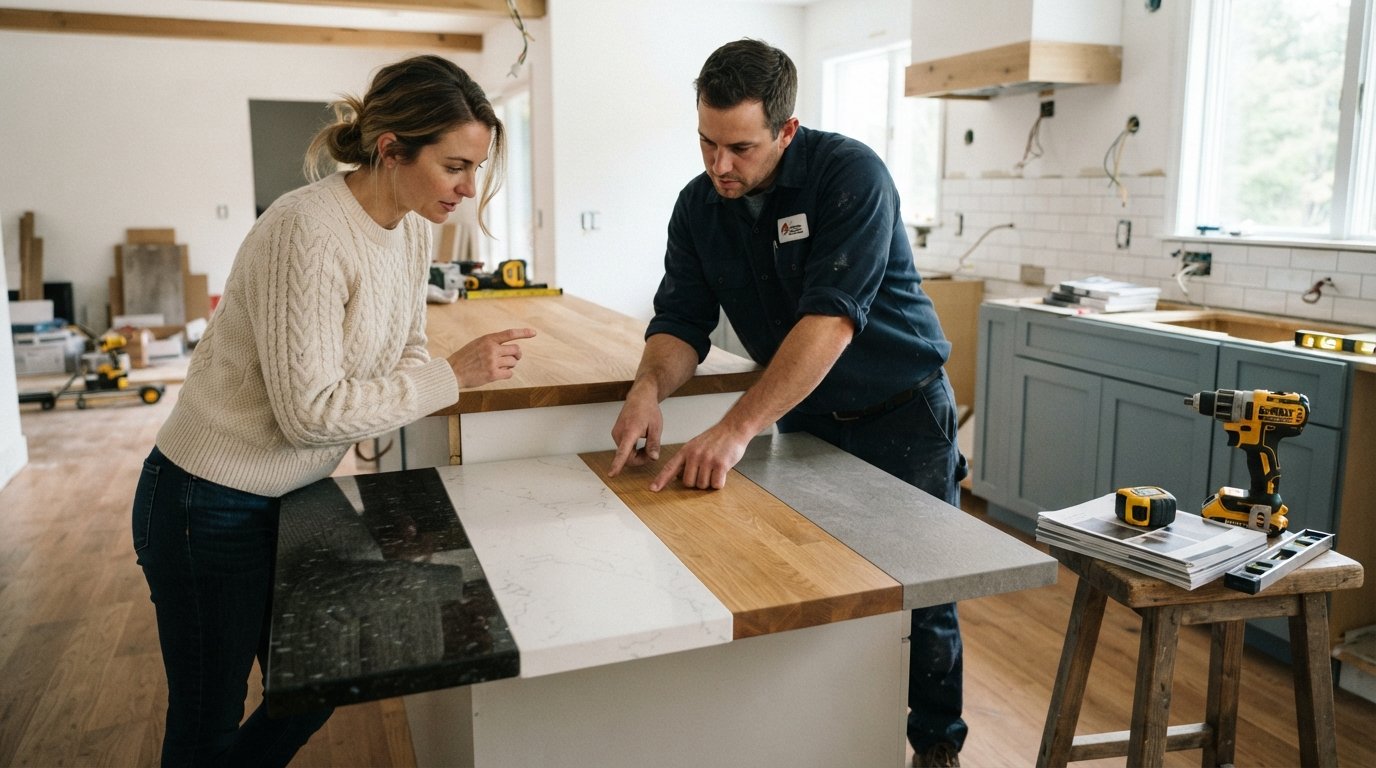
Choosing a new kitchen countertop is one of the most impactful decisions in any remodel. The material you select affects daily usability, long-term maintenance, resale value, and the overall aesthetic of your space. But with so many options now on the market, the process can feel overwhelming. Prices vary wildly, performance claims overlap, and what looks great in a showroom might not fit your actual cooking habits or budget. This kitchen countertop materials comparison for 2026 breaks down the leading contenders with clear pros, cons, and cost ranges, so you can choose with confidence and avoid costly mistakes.
Your countertop is also a long-term investment. Unlike paint or hardware, swapping a countertop is a major project. Getting it right the first time saves you thousands of dollars and weeks of disruption. Below, we evaluate the top materials across durability, heat resistance, staining, maintenance, and price. We also offer practical guidance on how to match a surface to your lifestyle and how to work with a contractor who can install it properly.
What Changed in the 2026 Countertop Market
The countertop industry continues to evolve, driven by new manufacturing techniques and changing consumer preferences. In 2026, the biggest shift is the mainstream acceptance of porcelain slabs and ultra-compact surfaces, which were once considered niche commercial products. These materials now compete directly with quartz and granite for residential kitchens, offering exceptional durability and a wide range of looks.
Another notable trend is the growing demand for sustainable and low-carbon options. Recycled glass surfaces and paper-based composites are gaining traction, though they still represent a small slice of the market. Meanwhile, the classic trio of granite, quartz, and solid surface remains strong, but you now have more choices within each category. For example, quartz manufacturers have introduced more realistic stone-look patterns and matte finishes that mimic concrete or soapstone.
Supply chain issues that plagued the industry in previous years have largely eased, which means lead times for most materials have returned to normal. However, exotic natural stones from specific quarries can still take weeks to arrive, so plan accordingly if you fall in love with a rare slab. Always ask your contractor or supplier about lead times before you finalize your design.
Key Factors to Compare Before You Buy
To make a fair comparison, you need to evaluate each material against the same set of criteria. Here are the most important performance and lifestyle factors to consider, regardless of which type of countertop you lean toward:
- Durability: How well does the surface resist scratches, chips, and cracks from everyday use?
- Heat resistance: Can you place a hot pot directly on the surface, or do you always need a trivet?
- Stain resistance: Does the material absorb liquids like wine, coffee, or oil? Is it porous?
- Maintenance: Does it require periodic sealing or special cleaners? How easy is it to keep clean?
- Cost: This includes the material price, fabrication, and installation. Some surfaces demand a premium install fee.
Beyond these technical points, think about your cooking and entertaining habits. A serious home chef may prioritize heat and stain resistance above all else. A family with young children might value a soft, non-porous surface that is gentle on dropped glasses. If you plan to sell your home soon, you may want a classic look that appeals to a wide range of buyers. The best kitchen countertop materials comparison for 2026 is one that weighs these personal factors against the objective data.
Granite: The Natural Stone Standard
Granite has been a top choice for decades, and for good reason. It is a natural stone that offers unique veining and color variations, meaning no two slabs are exactly alike. This beauty is paired with solid durability: granite resists scratches and, when properly sealed, is highly resistant to stains. It also handles heat very well, so you can place a hot skillet on the surface without worry, though it is still wise to use a trivet to protect the sealant.
However, granite is porous and requires periodic sealing, usually once a year, to maintain its stain resistance. If you skip sealing, liquids can seep in and cause permanent discoloration. Also, granite is a natural product that can have fissures or invisible cracks, which may chip if you drop heavy objects. The price range is broad, from around $40 to $100 per square foot installed, depending on the rarity of the stone and your location. Exotic colors or large slabs will cost more.
In a kitchen countertop materials comparison for 2026, granite remains a reliable, high-end choice. But it is no longer the only natural stone option, and its maintenance requirement is a turnoff for some homeowners who prefer a set-and-forget surface. If you love the look of natural stone and do not mind an annual sealing ritual, granite is a strong contender.
Quartz: The Low-Maintenance Leader
Quartz countertops, often called engineered stone, are made from about 90% ground natural quartz mixed with resins and pigments. This composition creates a non-porous surface that never needs sealing. It is also highly resistant to stains, scratches, and chips, making it one of the most practical choices for busy kitchens. Unlike granite, quartz is available in a wide array of colors and patterns, including designs that closely mimic marble or concrete without the upkeep.
The main downside of quartz is its sensitivity to heat. The resin binder can scorch or discolor if you place a very hot pot directly on the surface. You must always use a trivet or hot pad. Also, quartz is a manufactured product, so it lacks the natural variations of stone, which some homeowners find too uniform. The price range is similar to granite, typically $50 to $120 per square foot installed, with premium brands and complex edge profiles costing more.
For many homeowners, the low-maintenance aspect of quartz is the deciding factor. It is a great option for rental properties, busy families, or anyone who wants a beautiful surface without the fuss of sealants. In any balanced kitchen countertop materials comparison for 2026, quartz consistently ranks near the top for overall convenience and aesthetic versatility.
Porcelain and Sintered Stone: The Rising Stars
Porcelain slabs and sintered stone surfaces, such as Dekton, are the most exciting development in the countertop market. These materials are made from a blend of minerals and clays that are pressed under extreme heat and pressure, resulting in an incredibly dense and durable product. They are non-porous, UV-resistant, and highly resistant to scratches, stains, and heat. You can place a hot pan directly on a porcelain countertop without any fear of damage.
These surfaces are also remarkably thin, usually about 12mm or even 6mm thick, which gives them a sleek, modern look. They can be used for large-format slabs with minimal seams, which is a huge aesthetic advantage. Additionally, porcelain can mimic the look of natural stone, wood, or even concrete with astonishing realism. For outdoor kitchens, porcelain is the top choice because it withstands sun and weather without fading.
The main drawbacks of porcelain are cost and installation complexity. The material itself is moderately priced, but fabrication and installation require specialized tools and skills, which can drive up labor costs. Cutting and polishing porcelain demands diamond tooling, and not all fabricators are equipped to handle it. This means you need to find a contractor with specific experience in porcelain slabs. Pricing is generally $60 to $150 per square foot installed, but the final figure depends on edge treatments and the number of cutouts.
In this kitchen countertop materials comparison for 2026, porcelain and sintered stone are the best options for those who want exceptional durability and a modern, seamless aesthetic. Just be prepared to invest in a qualified installer. A poorly installed porcelain slab can be a nightmare, so always verify a contractor's portfolio before hiring.
Solid Surface (Acrylic or Polyester): The Seamless Classic
Solid surface countertops, known by brands like Corian, are made from acrylic or polyester resins mixed with mineral fillers. They have been around for decades and remain a popular choice because of their seamless appearance. With solid surface, your sink can be integrated into the countertop with no visible seam, which creates a clean, hygienic look and eliminates the dirt trap that often forms around drop-in sinks.
Solid surface is non-porous, easy to clean, and can be repaired if scratched or burned. Minor damage can be sanded out, which is a significant advantage over stone or quartz. It is also available in a vast range of colors and can be thermoformed to create curved backsplashes or unusual shapes. The price is on the lower end of the mid-range, typically $40 to $80 per square foot installed.
However, solid surface is not as heat resistant as stone or porcelain. A hot pan can leave a burn mark, and although it can be sanded out, it is an inconvenience. It is also softer than quartz, so it can scratch more easily. While these scratches are repairable, they can be a nuisance if you do a lot of heavy food prep. For many homeowners, the seamless look and repairability outweigh these downsides.
In a kitchen countertop materials comparison for 2026, solid surface is an excellent value for those who prioritize a seamless integrated sink and easy repairability. It is a particularly good choice for bathrooms and for kitchens in rental properties where budget is a key concern.
Butcher Block and Wood: Warmth and Function
Butcher block countertops bring a warm, natural charm to a kitchen. Made from strips of wood, usually maple, oak, or walnut, glued together into a thick slab, they are perfect for food preparation. You can chop directly on the wood without damaging your knives or the surface. The wood also develops a beautiful patina over time, adding character to your kitchen.
Wood is a renewable resource, which makes it an eco-friendly choice. It is also one of the more affordable options, with prices ranging from $30 to $70 per square foot installed. However, wood requires regular maintenance: you must oil it periodically to prevent drying and cracking, and it is susceptible to water damage and staining. You should never leave standing water on a wood countertop, and you must use cutting boards for anything that is not a straightforward chop. Heat can also scorch wood, so hot pots are a no-go.
In the broader kitchen countertop materials comparison for 2026, butcher block appeals to those who love a rustic or farmhouse aesthetic and are willing to commit to its care. It works beautifully as an island top or a food-prep station, even if you choose a more durable material for the main perimeter counters.
Stainless Steel and Other Specialty Options
For a truly professional look, stainless steel countertops are hard to beat. They are heat resistant, non-porous, and hygienic, which is why they are the standard in commercial kitchens. Stainless steel can be cleaned with strong disinfectants, and it is completely impervious to stains. It also develops a natural patina over time, which some love and others dislike. The price is moderate, but the surface can scratch and dent, and it is noisy when you place heavy items on it. It is a niche choice for most homes, but it is worth considering if you are an avid baker or cook who wants a commercial-grade workspace.
Another specialty option is recycled glass, which is made from crushed glass mixed with a cement or resin binder. These surfaces are highly durable, non-porous (if resin-based), and eco-friendly. They come in a variety of vibrant colors, but they are on the higher end of the price scale and can be difficult to install. Paper-based composites, such as Richlite, are another sustainable choice, made from recycled paper layers saturated with resin. They are durable and warm to the touch, but they can be damaged by heat and moisture if not properly sealed.
These specialty materials are not for everyone, but they add a unique character to a kitchen. If you want to make a statement and are willing to handle their quirks, they are worth exploring. However, for most homeowners, the main contenders above offer a better balance of cost, beauty, and maintenance.
How to Make Your Final Decision
Now that you have the facts, how do you choose? Start by setting a realistic budget that includes materials, fabrication, and installation. Then, narrow your options by lifestyle. For example, if you have a busy family and want zero maintenance, quartz or solid surface are your best bets. If you are a serious cook who loves to sear and bake, porcelain or granite will handle the heat. If you are renovating a home to sell, quartz is often the safest bet for resale value, as it appeals to the widest range of buyers.
Next, visit a local showroom to see and touch your top three materials. Photos do not do justice to the texture and color of natural stone or the finish of quartz. Bring a few samples of your cabinet colors and floor tiles to see how they coordinate. Many suppliers offer small samples you can take home. This is the best way to avoid a costly mistake.
Finally, get quotes from at least three contractors. A detailed quote should include the cost of materials, template, fabrication, installation, and any necessary plumbing or electrical work. Do not automatically choose the lowest bid. Check reviews, ask for references, and confirm that the contractor has experience installing the specific material you selected. This is especially critical for porcelain and natural stone, which require specialized skills.
Work With the Right Professional
Selecting the perfect countertop is only half the battle. A proper installation is essential to ensure your new surface looks great and lasts for years. This is where a reliable contractor makes all the difference. A professional will handle the precise measurements, manage the fabrication process, and ensure that the material is cut and sealed correctly. They will also coordinate with your plumbing and electrical trades if you are moving a sink or adding a backsplash.
When you are ready to move forward, consider using a platform that connects you with vetted local professionals. For example, HomeRemodelingsContractors can help you find experienced contractors who specialize in kitchen countertop installation in your area. Their network is curated to include only qualified pros, which saves you the time and risk of vetting strangers on your own. This is especially useful for complex materials like porcelain, where the installer's skill is critical to the final result.
Before you sign a contract, ask for a written warranty that covers both the material and the installation. Understand what voids the warranty, such as improper cleaning or cutting without a trivet. Also, clarify the timeline for the project, including when the templates will be taken and when the final installation is scheduled. A clear plan prevents surprises down the road.
In summary, this kitchen countertop materials comparison for 2026 shows that there is no single best material. Granite remains a classic natural choice, quartz leads in low maintenance, porcelain offers cutting-edge durability, and solid surface provides seamless versatility. Wood and specialty options serve unique design styles. By weighing cost, durability, maintenance, and your own cooking habits, you can confidently choose a countertop that will serve you well for decades.
Remember to invest time in finding the right contractor. A flawless installation can make even a mid-range material look luxurious, while a poor job can ruin the most expensive stone. Start with a clear budget, do your homework on materials, and then partner with a professional who can bring your vision to life. Your kitchen is the heart of your home, and the right countertop will make it both beautiful and functional for years to come.